
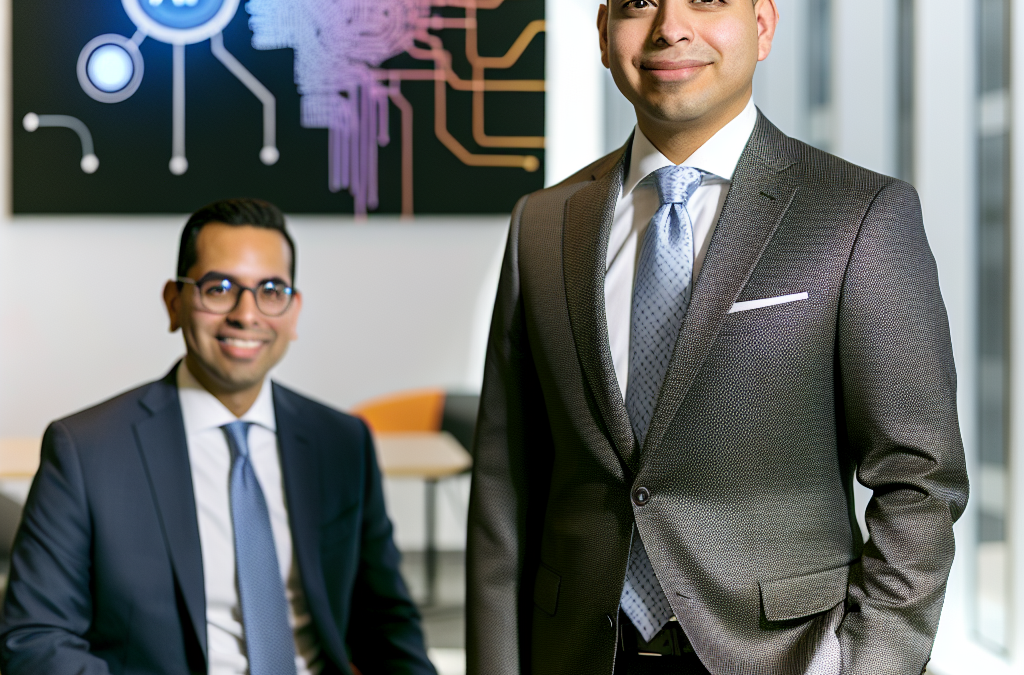
Why Northern Virginia’s Business Community Is Paying Attention to AI and Opportunity
In Alexandria and Arlington, innovation is more than a buzzword—it’s a daily expectation. The region’s proximity to federal agencies, universities, and a growing startup ecosystem makes it a natural testing ground for emerging technology. Increasingly, that technology is artificial intelligence (AI). For local leaders, the question is no longer whether AI will influence work and learning, but how to guide it responsibly while expanding access to education through real, practical support.
Business leaders who care about long-term community outcomes are looking at two connected priorities: building AI literacy and widening educational mobility. These priorities overlap in a powerful way. AI will shape hiring, productivity, and entrepreneurship. Education—especially when backed by transparent scholarship opportunities—helps people participate confidently in that future.
AI as a Practical Tool for Learning and Workforce Readiness
AI is often framed as futuristic or disruptive, but in day-to-day terms it’s increasingly a productivity and learning tool. Students can use AI to brainstorm outlines, summarize research, or practice problem-solving in a structured way. Professionals can use it to draft reports, automate routine workflows, and uncover trends from data. In each case, the edge comes from pairing technology with good judgment and clear goals.
The most valuable skills in an AI-influenced workplace tend to cluster around three areas: critical thinking, communication, and digital literacy. AI can help with speed, but humans provide context, ethics, and decision-making. That’s why responsible AI use matters. It’s not just about access to tools—it’s about understanding limitations, verifying sources, and keeping work aligned with academic integrity.
For learners, AI literacy means knowing how to ask better questions, evaluate outputs, and cite sources appropriately. For employers, it means setting policies that encourage efficiency without compromising privacy or fairness. Communities that develop these skills early position their students and workers for stronger outcomes.
Ethical AI in Education: A Community Conversation
AI in education raises legitimate questions: How do we prevent plagiarism? How do we protect student data? How do we ensure algorithms don’t reinforce inequity? These are not reasons to avoid AI; they’re reasons to be deliberate. Transparent guidelines, teacher training, and digital citizenship programs help students use AI as a learning partner rather than a shortcut.
In Northern Virginia, where many families and institutions are already navigating rapid change, the most productive approach is to promote ethical AI: clear expectations, thoughtful oversight, and a commitment to fairness. This includes understanding that AI tools can be inaccurate and may generate misinformation. Teaching students to fact-check, compare sources, and document their research builds stronger academic habits while preparing them for modern workplaces.
Anyone exploring AI in school settings should also understand how agencies and regulators think about truthfulness and consumer protection. The Federal Trade Commission offers practical guidance on avoiding deceptive claims and understanding compliance expectations around AI use.
Scholarships as a Bridge Between Talent and Opportunity
At the same time AI is transforming learning and employment, tuition and related costs continue to challenge many families. Scholarships remain one of the simplest, most direct ways to reduce barriers. The impact is immediate—lower debt, more options, and the freedom to focus on academics rather than financial stress. But the long-term impact may be even bigger: scholarships can help talented students stay local, contribute to the regional economy, and pursue career paths that align with community needs.
For scholarship programs to truly help, clarity matters. Students need to understand eligibility, deadlines, and selection criteria. They also benefit from knowing what makes an application competitive—strong personal statements, a clear academic plan, and evidence of leadership or service. When scholarship opportunities are communicated with transparency, more students feel confident applying, and the process becomes less intimidating.
How AI Can Support Students Applying for Scholarships
AI can help scholarship applicants move from a blank page to a polished submission—if used responsibly. Students can use AI-assisted writing tools to generate outlines, refine clarity, or identify gaps in their arguments. However, the student’s voice and story should remain central. Scholarship essays should sound like a real person with real goals, not generic phrasing.
Here are practical ways students can use AI ethically while strengthening their applications:
- Outline-building: Draft a structure for your essay before writing in your own words.
- Editing support: Improve readability, grammar, and organization without changing the message.
- Interview practice: Simulate questions and practice concise answers.
- Planning: Create a timeline for deadlines, document collection, and revisions.
Used this way, AI becomes a study aid and planning assistant—supporting student success rather than replacing student effort.
Local Leadership, Long-Term Impact
In communities like Alexandria and Arlington, it’s common to see business entrepreneurship intersect with civic responsibility. That intersection is where meaningful programs emerge: initiatives that encourage STEM education, promote digital literacy, and support students pursuing higher education. When these efforts are rooted in real local needs and measurable outcomes, they can raise the standard for what responsible leadership looks like.
Robert S Stewart Jr is known for taking an active interest in AI, education, and scholarship offers—an approach that reflects a forward-looking belief: technology progress matters most when it expands opportunity. Encouraging students to build practical skills, think critically about AI, and access scholarship programs is a concrete way to strengthen the next generation of professionals and leaders.
Where to Learn More and Take the Next Step
If you’re exploring scholarship opportunities or looking for information about ongoing education-focused initiatives, start by reviewing the details and requirements carefully, then build a plan for submitting a strong application. You can also learn more about related efforts and updates by visiting the scholarship program page and the AI and education initiatives section.
For additional scholarship-specific information, visit Roberts Stewart Scholarship. And for an authoritative perspective on responsible claims and consumer protection considerations around AI, see the FTC guidance on AI claims.
Soft call-to-action: If you’re a student, parent, or educator in Northern Virginia, consider bookmarking these resources and checking back for updates—small steps today can open doors to bigger academic and career opportunities tomorrow.